

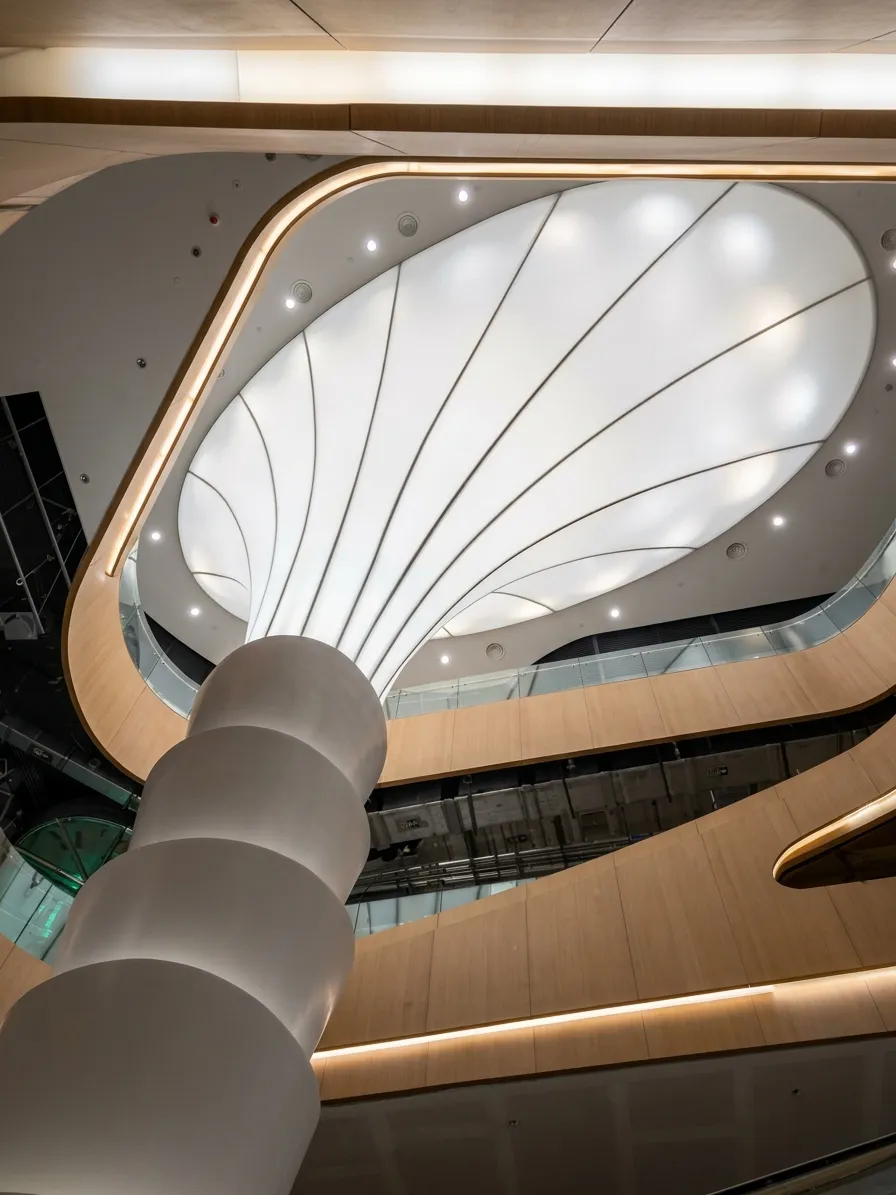
Stretch fabric can turn a ceiling or wall into the light source itself: luminous panels, backlit artwork, starry-sky effects, sculptural 3D forms, and colour-changing surfaces are all variations on the same underlying system, shaped by fabric transmission, LED spacing, cavity depth, and beam angle.
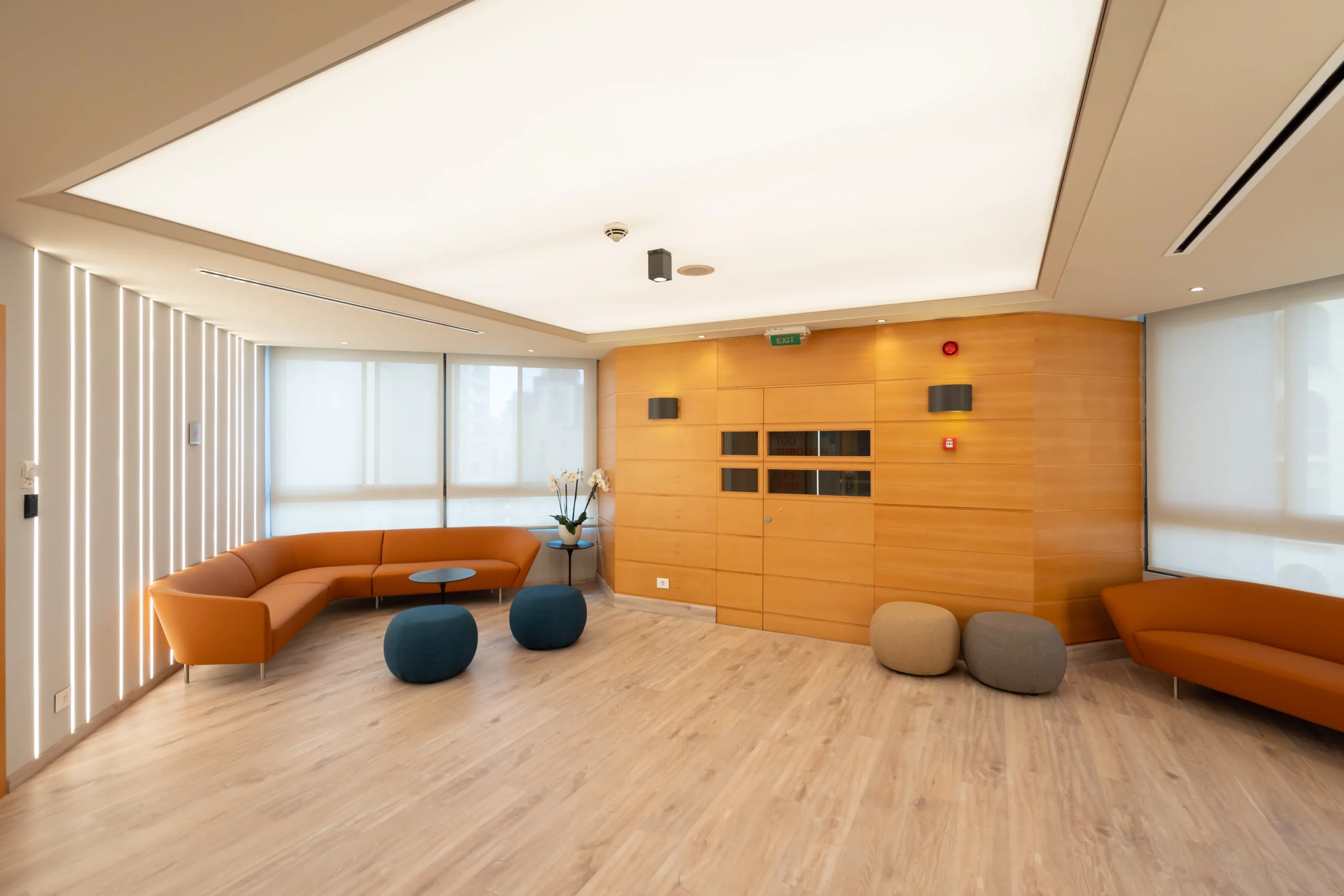
How Designers Can Use It
There are multiple ways stretch fabric can be used in your lighting design:
- Luminous walls & panels: a flat surface lit evenly from behind for ambient glow
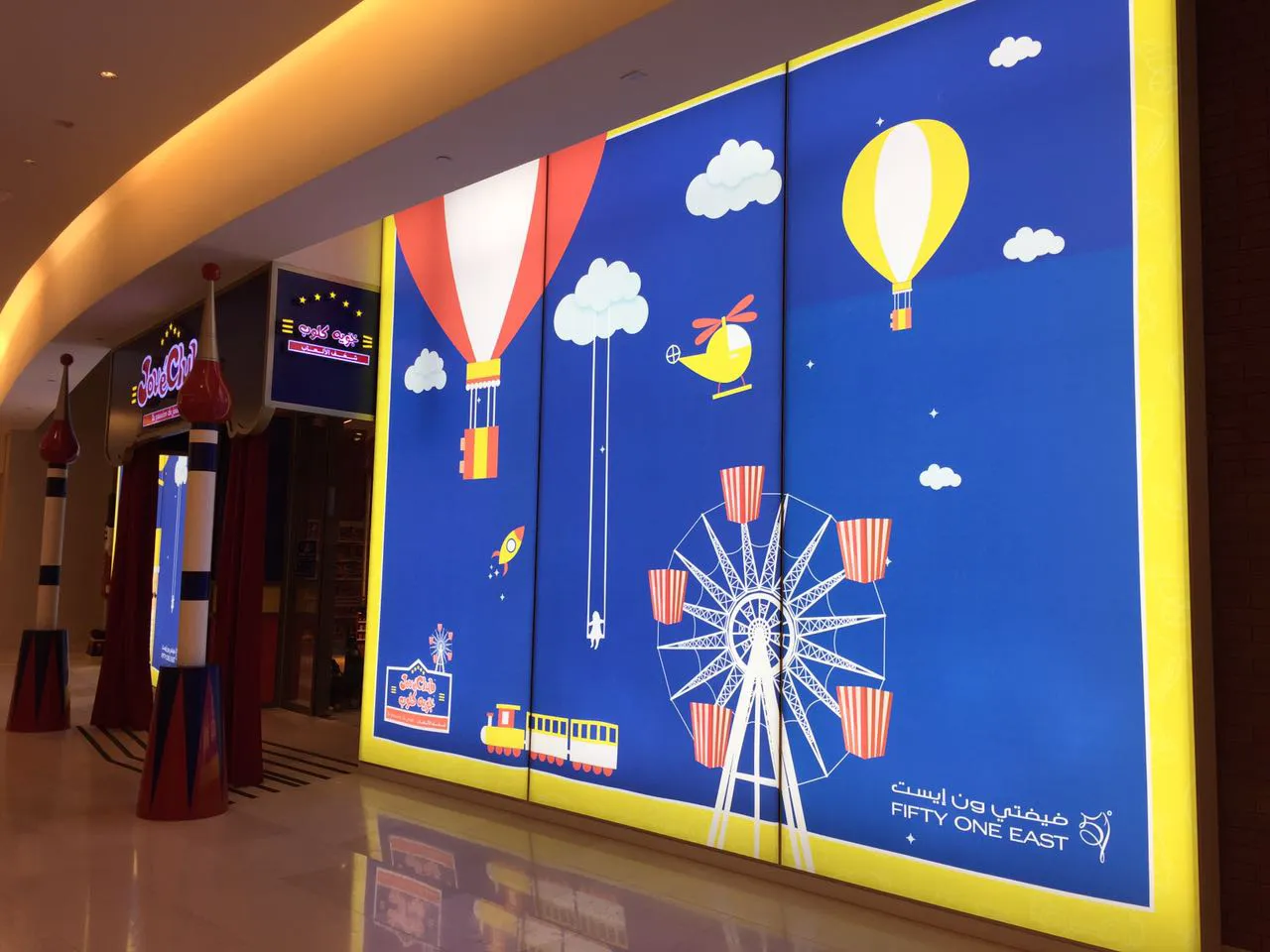
- Backlit artwork: printed or painted graphics illuminated from behind
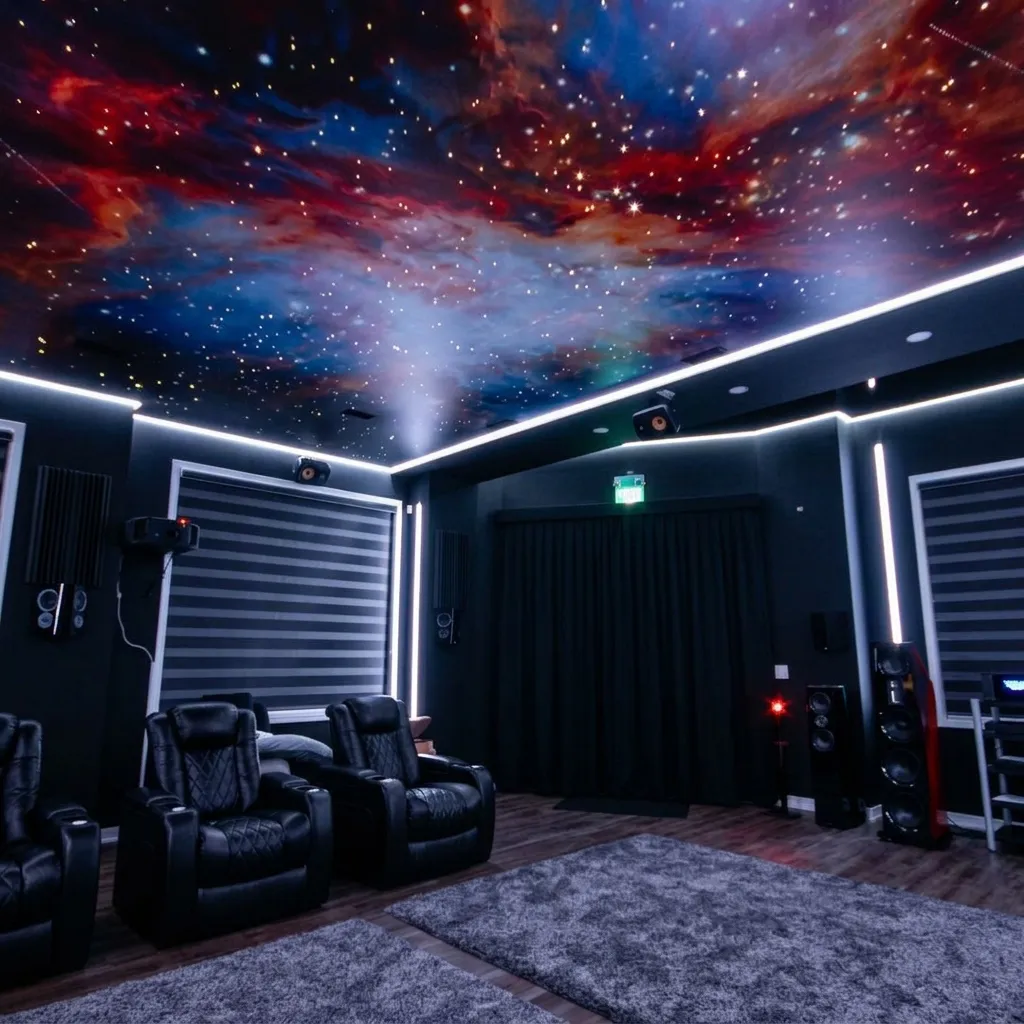
- Starry skies: pinpoint lights behind a perforated fabric, mimicking a night sky
- 3D forms: fabric stretched over a frame into a sculptural, three-dimensional object
- Colour-changing surfaces: tunable or RGB sources for dynamic, mood-responsive lighting
Higher-transmission fabric puts more light into the room, letting the surface function as the space’s actual light source. Lower-transmission fabric keeps the focus on the fabric itself as a glowing feature, rather than illuminating what’s around it.
Where to Apply It
There are multiple possibilities to use stretch fabric in your design, here are a few highlights to keep in mind for your next project:
- Hospitality: luminous ceilings, walls, and feature forms
- Residential: soft ambient light and starry-sky effects
- Retail: branding, artwork, and illuminated displays
- Transport: large luminous surfaces and wayfinding
- Cultural & leisure: sculptural and immersive light forms
Most designers don’t think of stretch fabric as something that belongs in their lighting toolkit. It tends to get treated as a finish choice not a lighting element. That’s worth reconsidering.
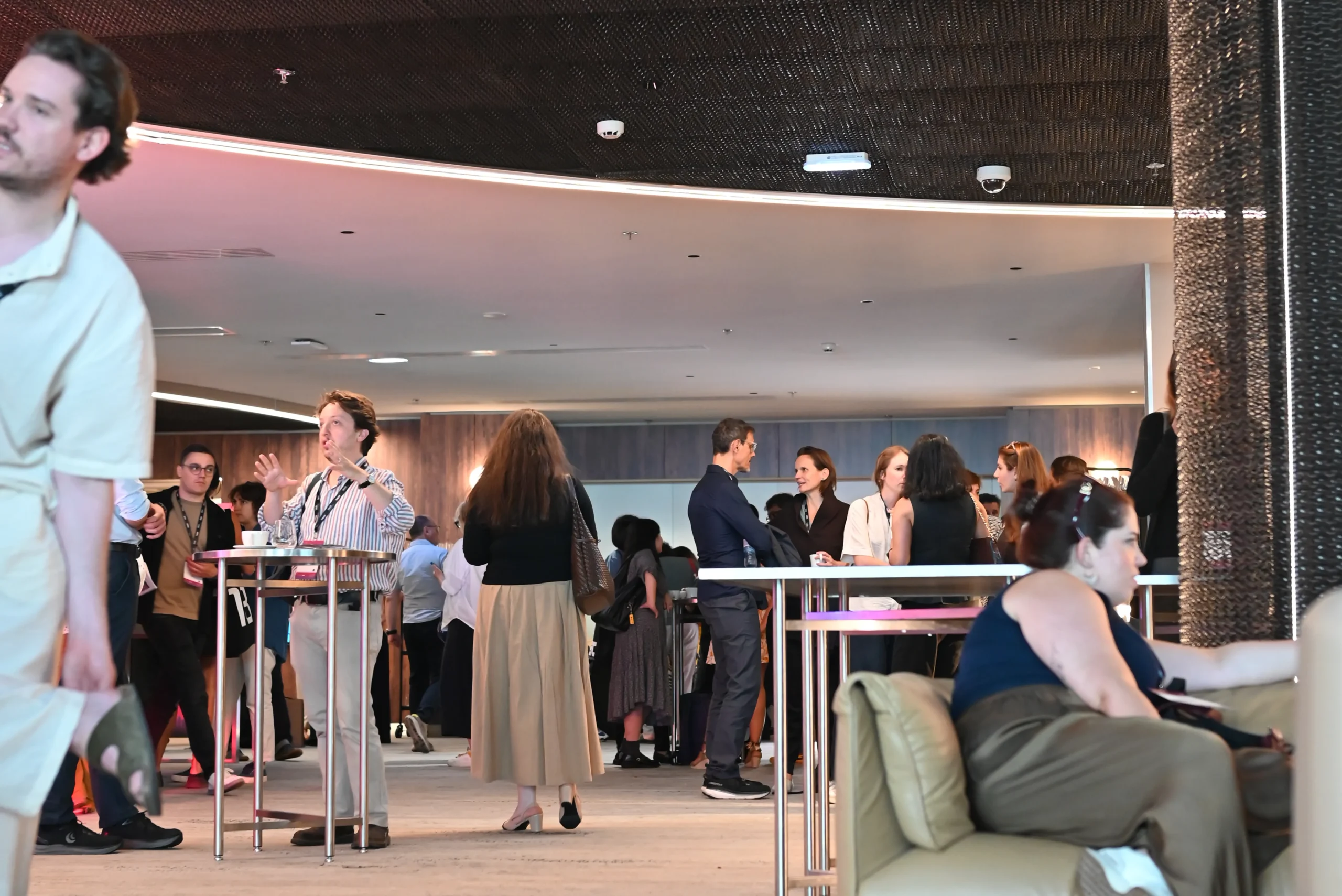
Here is how these five international macro trends are directly shaping our independent architectural lighting design practice across KSA, Qatar, and the Levant.
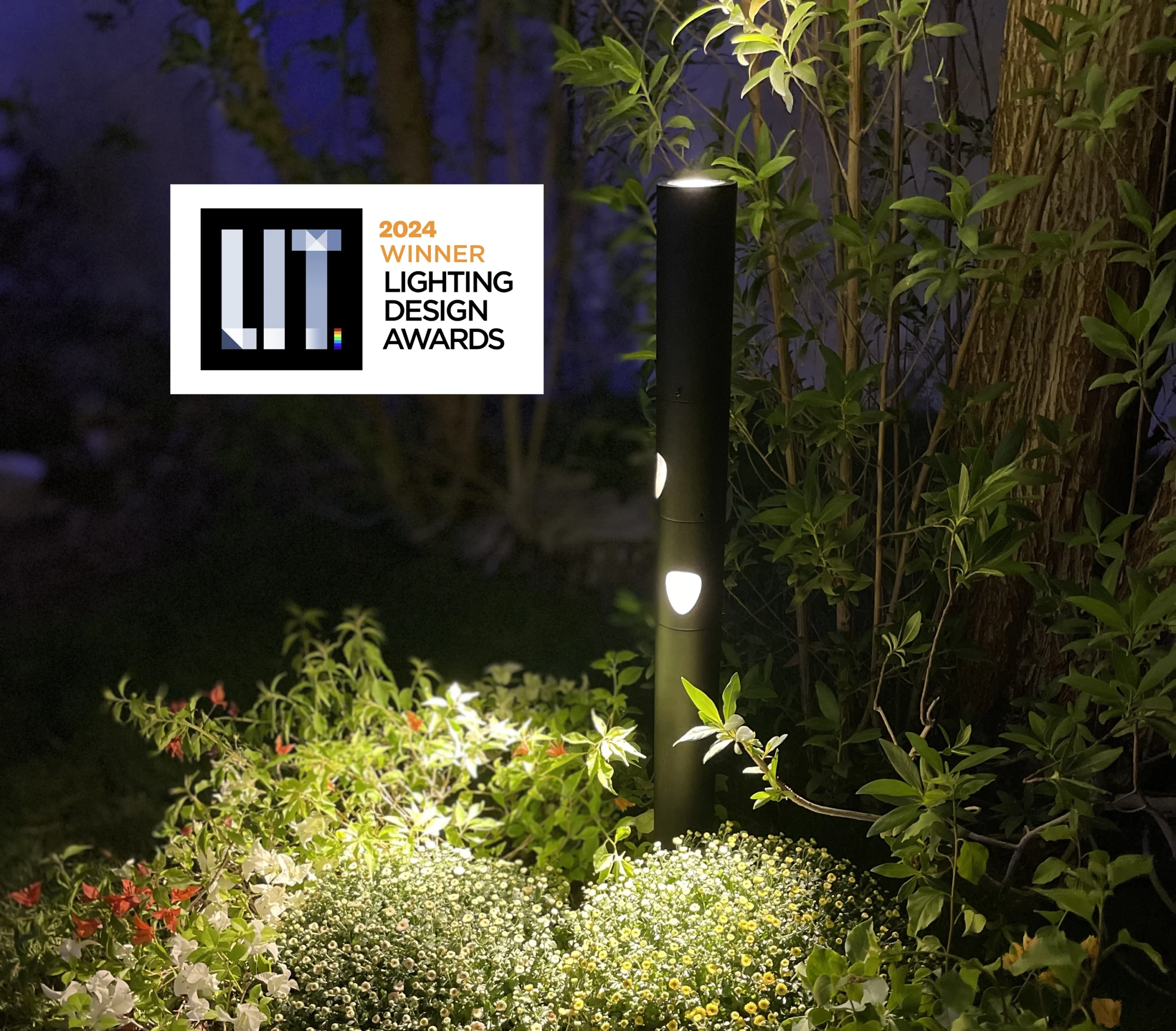
Explore how our Jupiter Design won the LIT Awards for Landscape Lighting.
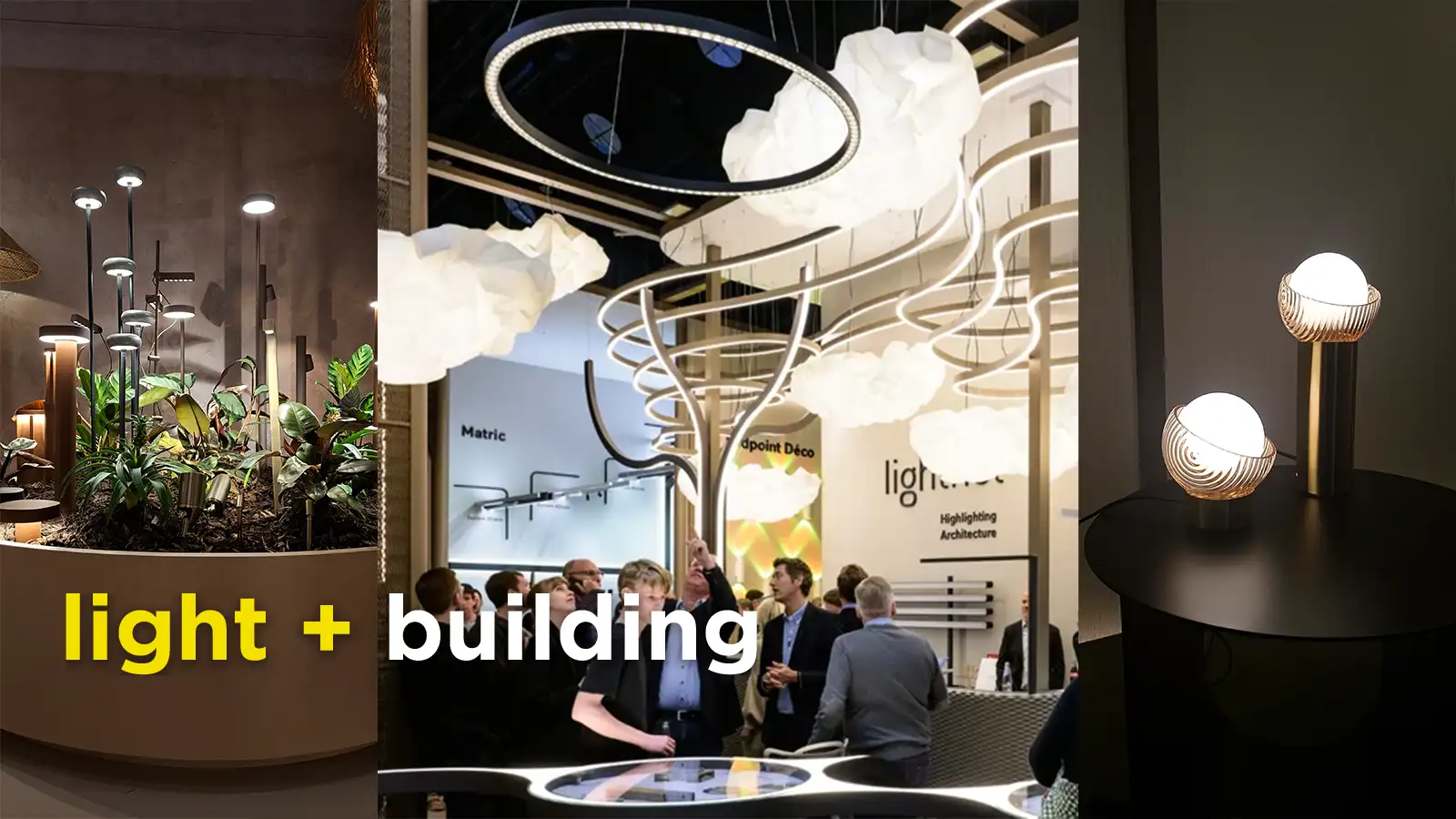
I recently spent four intense, inspiring days at the Light + Building 2026 fair, focusing on Halls 6, 3.0, and 4.1, which combined architectural and decorative lighting suppliers.
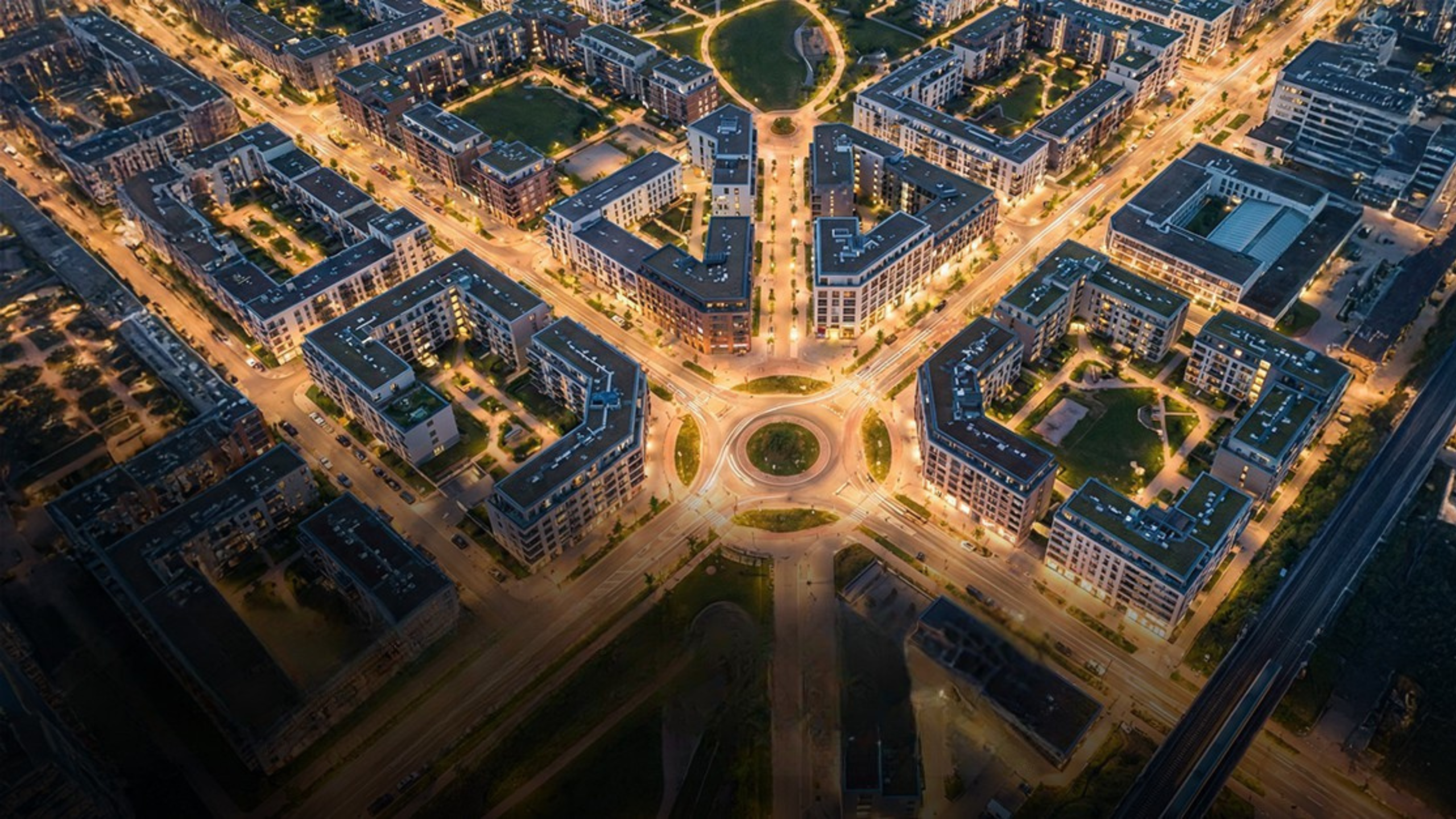
Master Lighting Plan (MLP) is a long term guide for how a city, district, or development should be lit. It sets the standards, identity, and technology for the next 10–20 years.
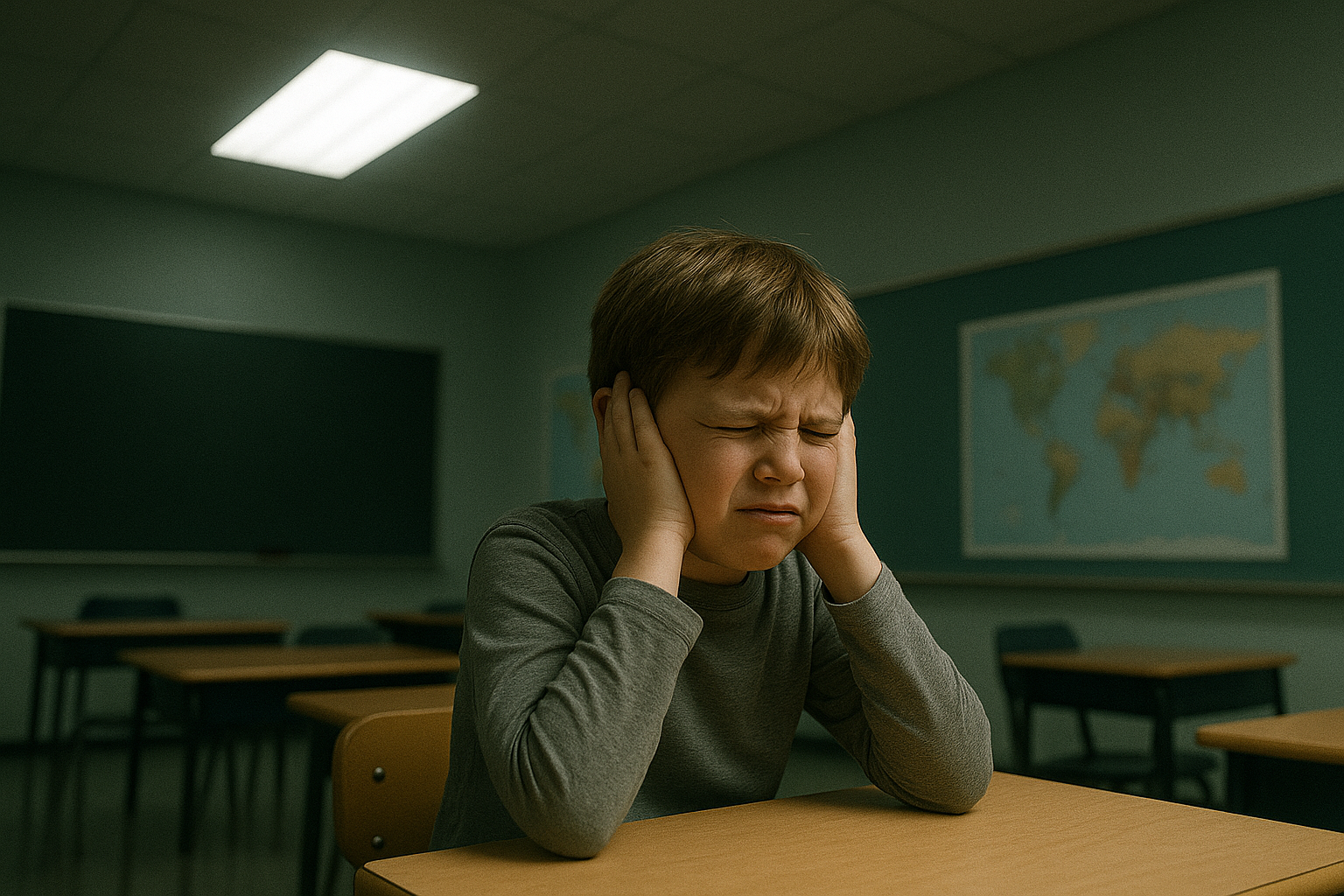
Lighting is a powerful factor in shaping the sensory experience of autistic students. Many on the Autism Spectrum (ASD) are highly sensitive to visual stimuli, meaning that common lighting solutions , like bright or flickering LEDs can cause discomfort, distraction, or even anxiety.

In the realm of architectural design, lighting plays a crucial role in creating captivating spaces. However, as our understanding of biodiversity and ecological balance deepens, it is essential to consider the impact of artificial lighting on the animal kingdom.

The skill of lighting control is a key component of contemporary lighting design. It acts as the basis for constructing the ideal fusion of ambiance and usability.

Light pollution, which has an impact on our daily lives yet frequently goes unseen, is an increasing concern. We ought to be enthralled by the beauty of the stars and other celestial objects when we look up at the night sky.

In architecture, light plays a crucial but frequently disregarded role. The use of light can have a significant impact on a building’s functionality, aesthetics, and overall experience in addition to simply illuminating a room.

Any place may be made more aesthetically pleasing and practical with the help of lighting. The appropriate selection of lighting fixtures may make a big difference whether you’re decorating a room, creating a study area, or simply lighting your house.