

-
The Circular Economy Framework
The industry is rejecting short-term commercial lifecycles. Top studios are designing for 10-to-20-year spans by utilizing modular systems engineered to be dismantled and upcycled. For fast-paced fit-outs, the industry is pivoting toward “Lighting as a Service” (LaaS), using smart DALI drivers to track actual burning hours and treat fixtures as reusable assets.
-
Radical On-Site Simplicity
A beautiful 3D render means nothing if local contractors cannot easily install it. Masterpieces like the redesigned Cologne Cathedral succeeded because the team prioritized rigorous physical site testing over pure digital simulation, selecting simple control systems and custom, non-invasive installation details to respect the historic stone fabric.
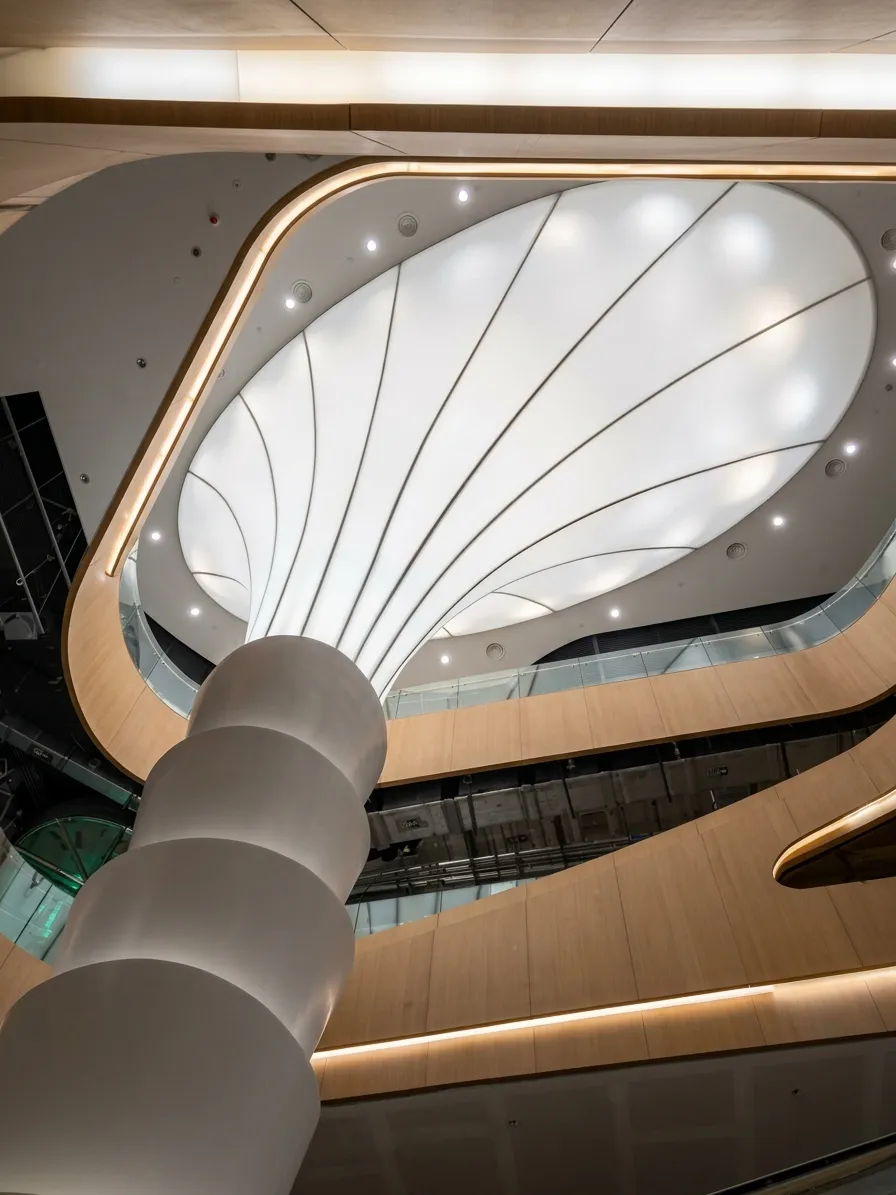
Most designers don’t think of stretch fabric as something that belongs in their lighting toolkit. It tends to get treated as a finish choice not a lighting element. That’s worth reconsidering.
Here is how these five international macro trends are directly shaping our independent architectural lighting design practice across KSA, Qatar, and the Levant.
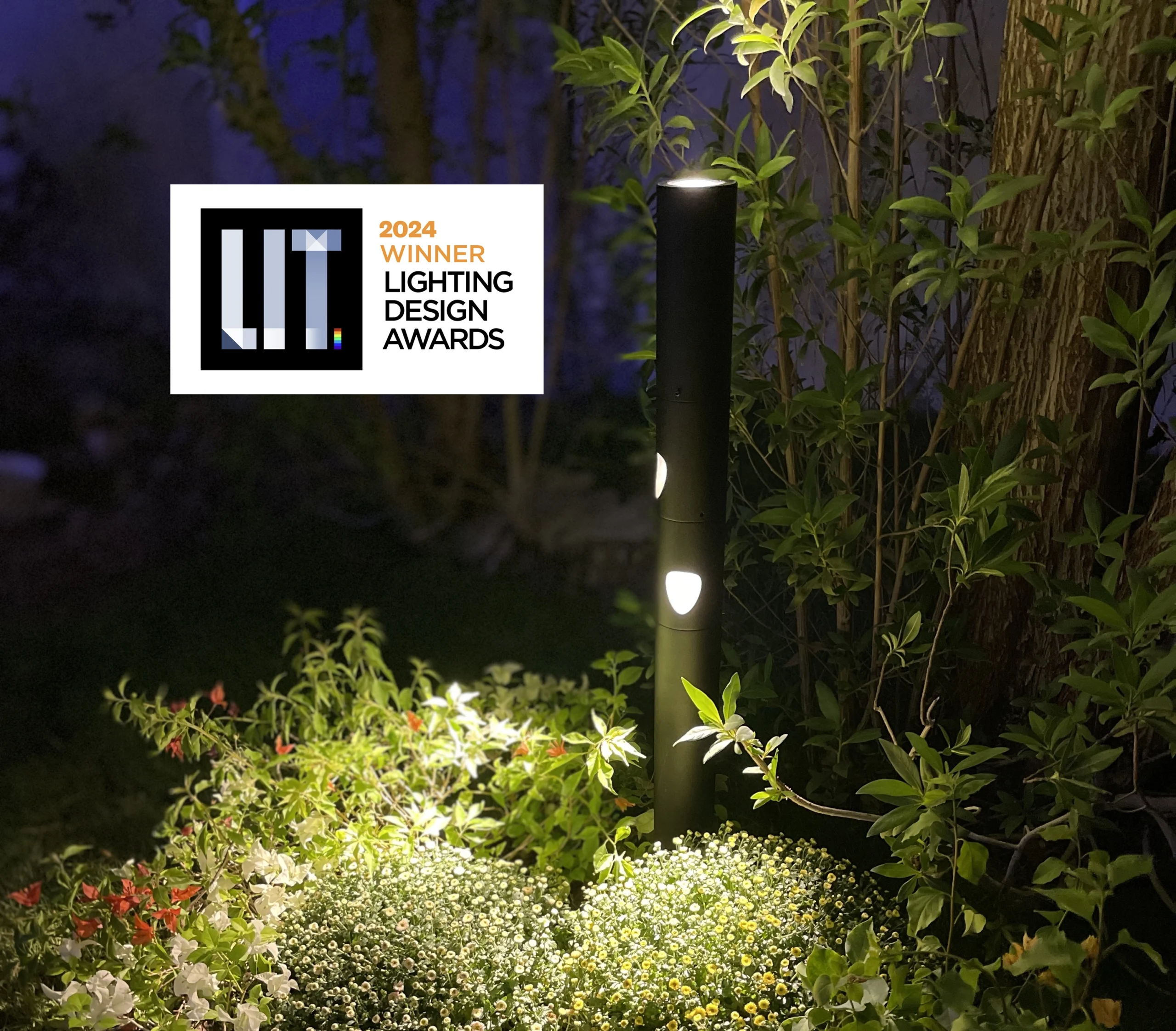
Explore how our Jupiter Design won the LIT Awards for Landscape Lighting.
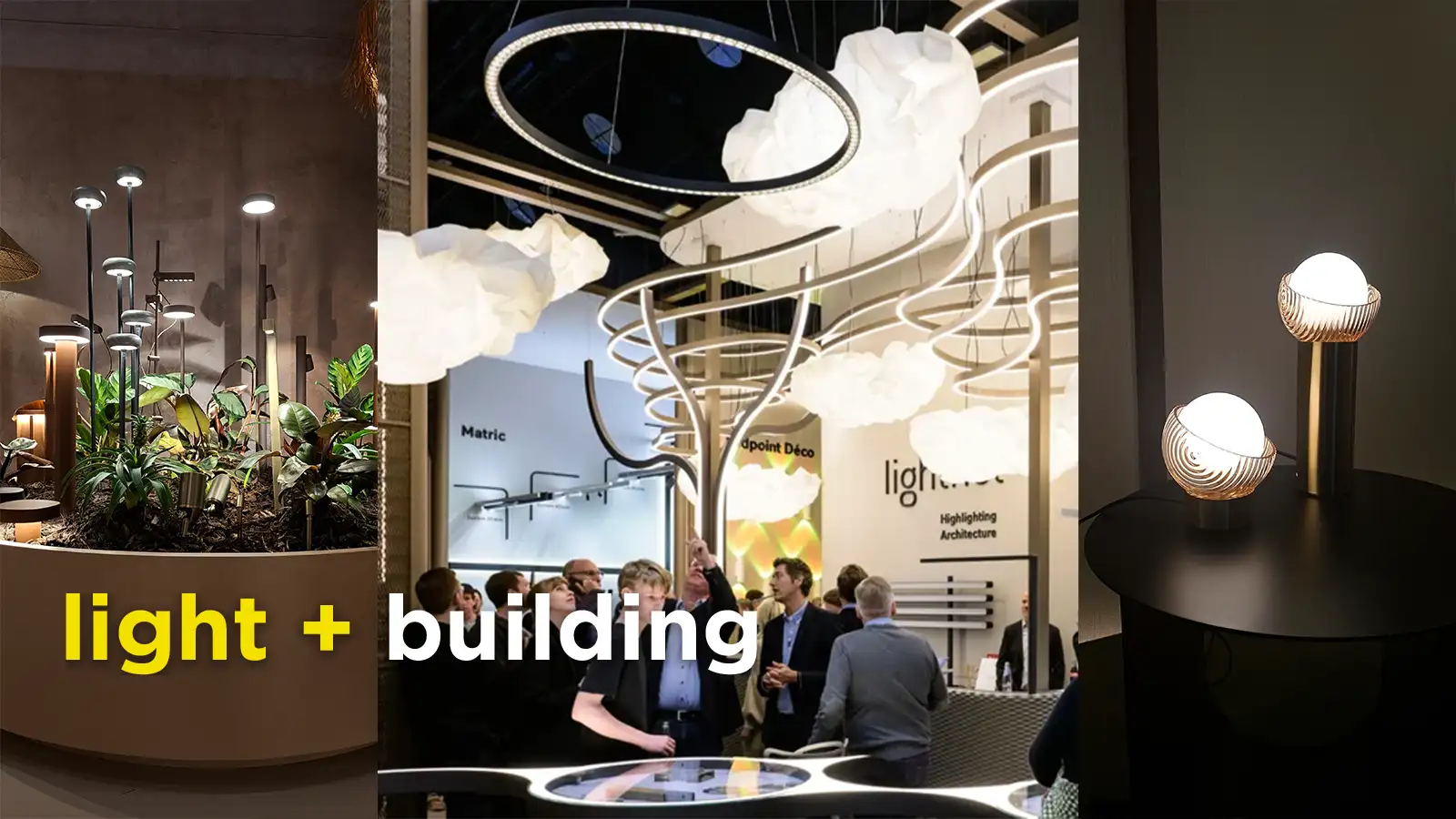
I recently spent four intense, inspiring days at the Light + Building 2026 fair, focusing on Halls 6, 3.0, and 4.1, which combined architectural and decorative lighting suppliers.
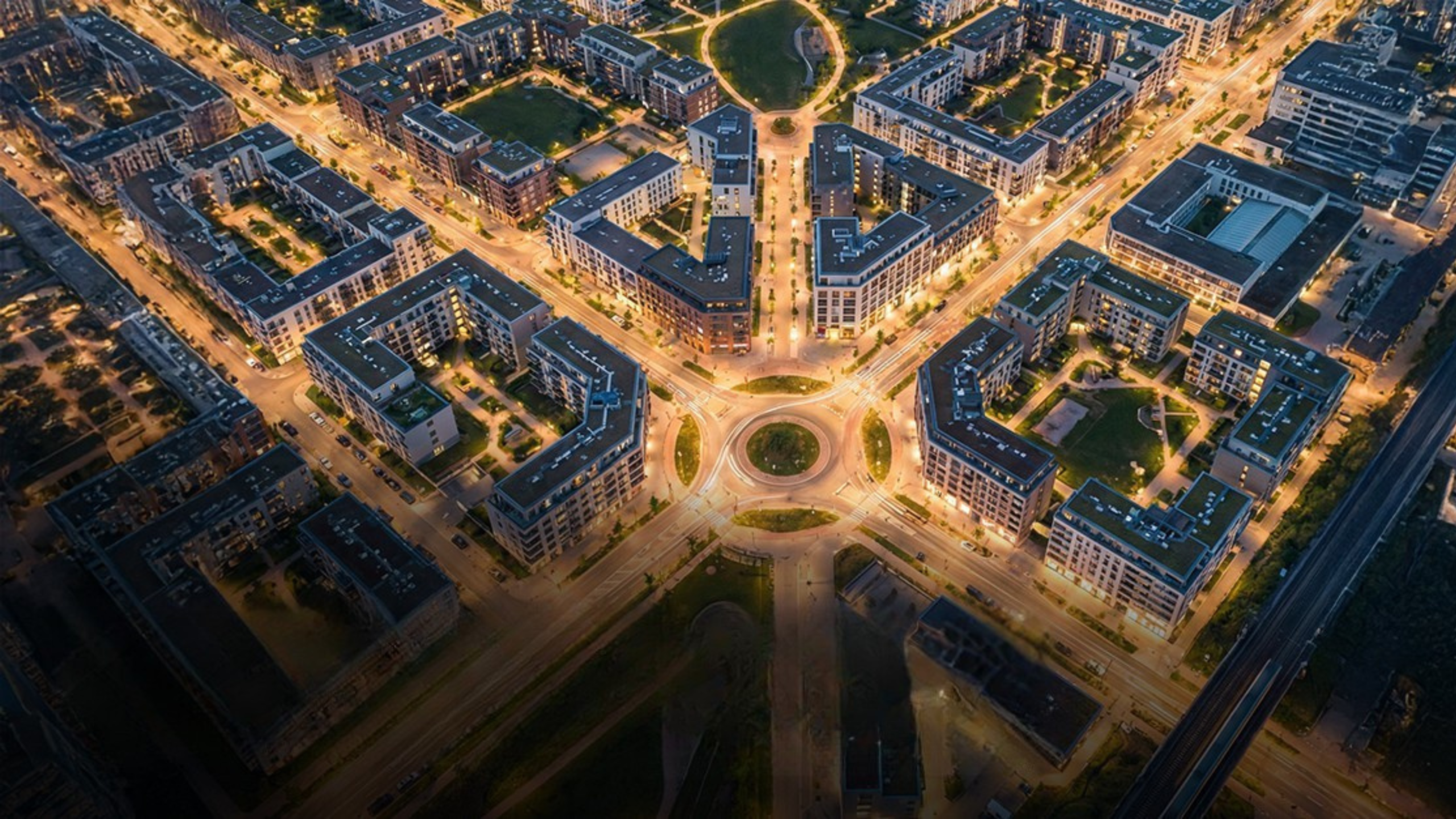
Master Lighting Plan (MLP) is a long term guide for how a city, district, or development should be lit. It sets the standards, identity, and technology for the next 10–20 years.

Lighting is a powerful factor in shaping the sensory experience of autistic students. Many on the Autism Spectrum (ASD) are highly sensitive to visual stimuli, meaning that common lighting solutions , like bright or flickering LEDs can cause discomfort, distraction, or even anxiety.

In the realm of architectural design, lighting plays a crucial role in creating captivating spaces. However, as our understanding of biodiversity and ecological balance deepens, it is essential to consider the impact of artificial lighting on the animal kingdom.

The skill of lighting control is a key component of contemporary lighting design. It acts as the basis for constructing the ideal fusion of ambiance and usability.

Light pollution, which has an impact on our daily lives yet frequently goes unseen, is an increasing concern. We ought to be enthralled by the beauty of the stars and other celestial objects when we look up at the night sky.

In architecture, light plays a crucial but frequently disregarded role. The use of light can have a significant impact on a building’s functionality, aesthetics, and overall experience in addition to simply illuminating a room.

Any place may be made more aesthetically pleasing and practical with the help of lighting. The appropriate selection of lighting fixtures may make a big difference whether you’re decorating a room, creating a study area, or simply lighting your house.