

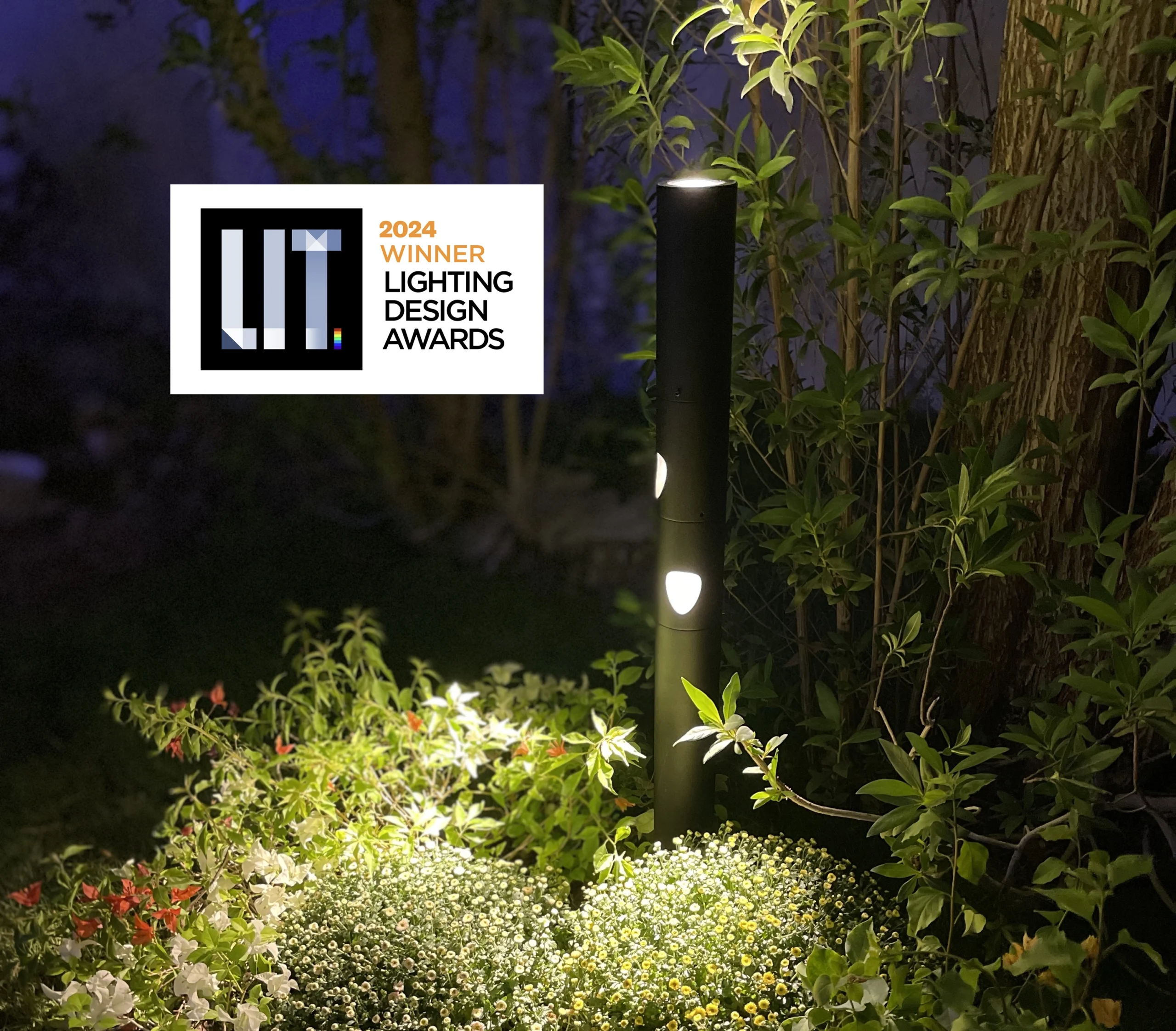
The concept behind Jupiter, a modular bollard light recognized by the LIT Lighting Design Awards, was born from this challenge. Originally designed by the team that would later become Aluzo, the project explored how a single lighting fixture could adapt to changing landscape requirements without compromising performance or visual consistency.
A product that can be upgraded, adapted, or partially replaced generates less waste than one that must be discarded entirely when requirements change. This principle aligns closely with circular economy thinking, which prioritizes durability, repairability, and long-term value over short product lifecycles.
By allowing individual lighting modules to be replaced or reconfigured, Jupiter supports a more sustainable approach to outdoor lighting while helping reduce unnecessary material consumption.

Recognition from the LIT Lighting Design Awards
The LIT Lighting Design Awards were established to celebrate innovation and excellence in lighting design and product development worldwide. With submissions from dozens of countries each year, the awards recognize projects that successfully combine creativity, functionality, and environmental responsibility.
Here is how these five international macro trends are directly shaping our independent architectural lighting design practice across KSA, Qatar, and the Levant.
Explore how our Jupiter Design won the LIT Awards for Landscape Lighting.
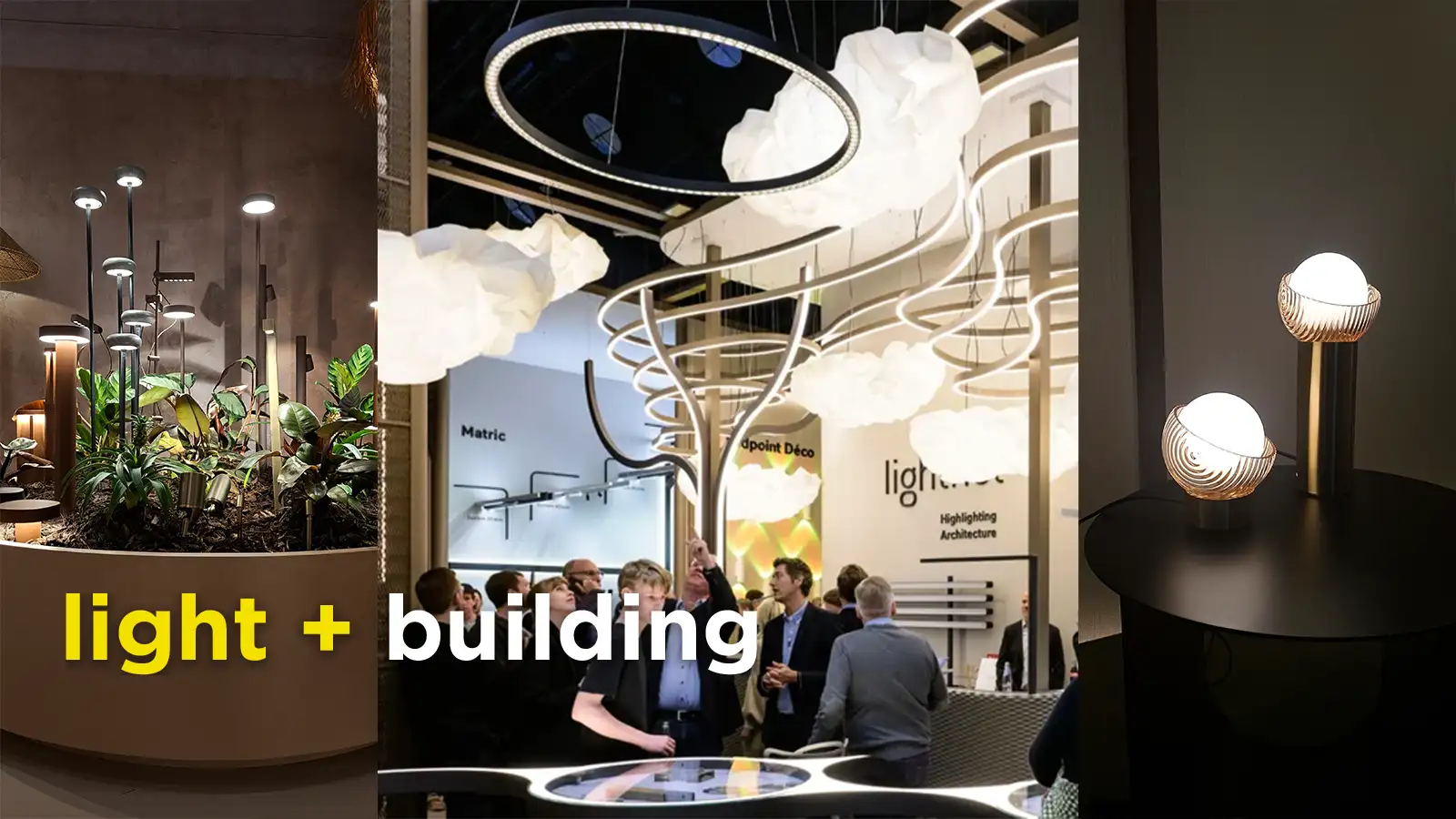
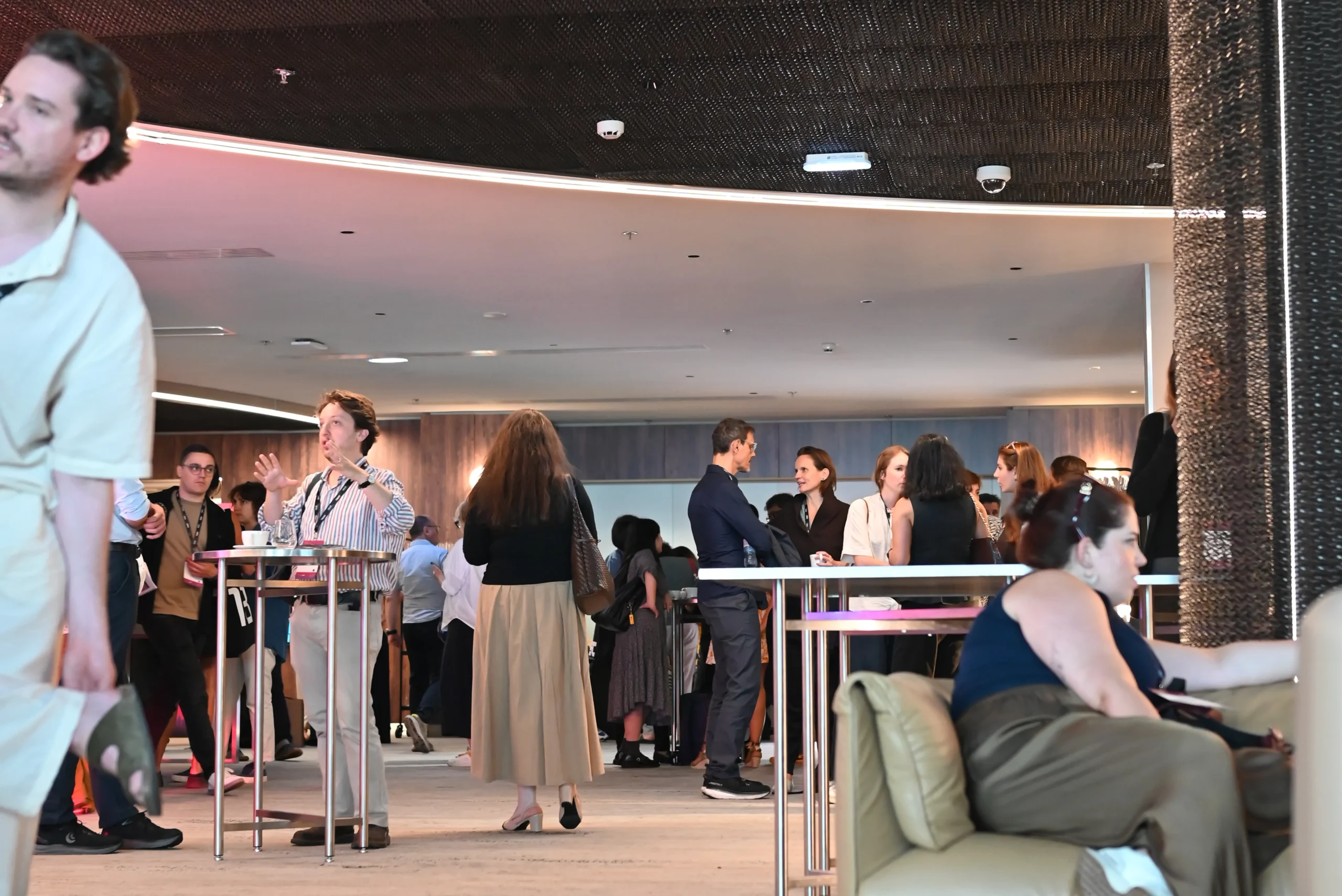
I recently spent four intense, inspiring days at the Light + Building 2026 fair, focusing on Halls 6, 3.0, and 4.1, which combined architectural and decorative lighting suppliers.
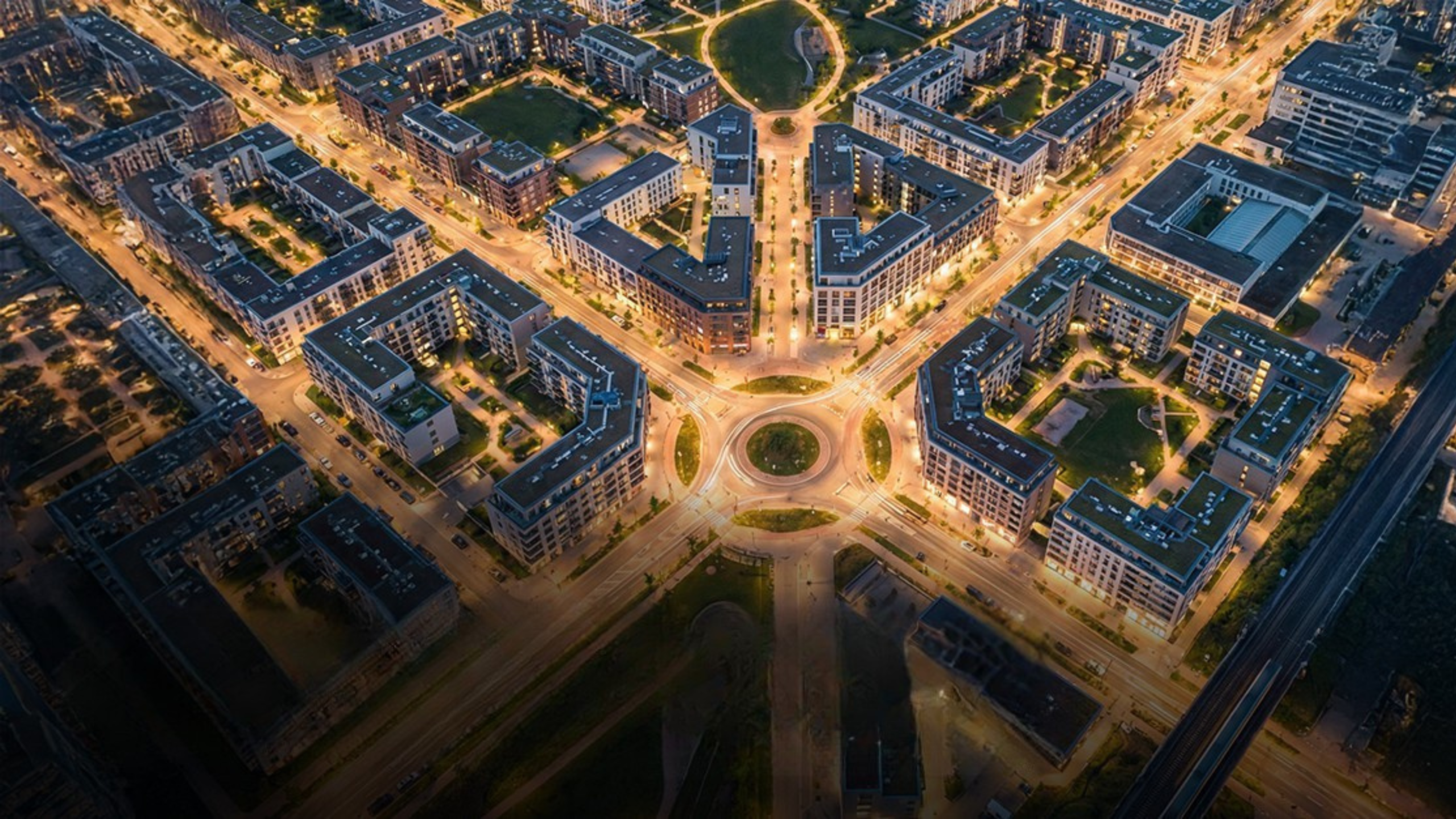
Master Lighting Plan (MLP) is a long term guide for how a city, district, or development should be lit. It sets the standards, identity, and technology for the next 10–20 years.

Lighting is a powerful factor in shaping the sensory experience of autistic students. Many on the Autism Spectrum (ASD) are highly sensitive to visual stimuli, meaning that common lighting solutions , like bright or flickering LEDs can cause discomfort, distraction, or even anxiety.

In the realm of architectural design, lighting plays a crucial role in creating captivating spaces. However, as our understanding of biodiversity and ecological balance deepens, it is essential to consider the impact of artificial lighting on the animal kingdom.

The skill of lighting control is a key component of contemporary lighting design. It acts as the basis for constructing the ideal fusion of ambiance and usability.

Light pollution, which has an impact on our daily lives yet frequently goes unseen, is an increasing concern. We ought to be enthralled by the beauty of the stars and other celestial objects when we look up at the night sky.

In architecture, light plays a crucial but frequently disregarded role. The use of light can have a significant impact on a building’s functionality, aesthetics, and overall experience in addition to simply illuminating a room.

Any place may be made more aesthetically pleasing and practical with the help of lighting. The appropriate selection of lighting fixtures may make a big difference whether you’re decorating a room, creating a study area, or simply lighting your house.